-
Product Name
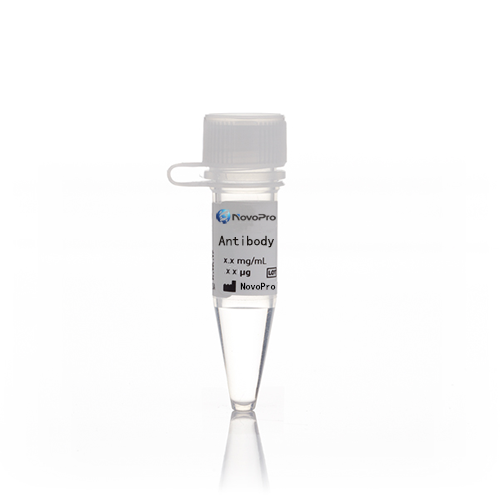
Anti-PPIL1 antibody
- Documents
-
Description
Rabbit polyclonal to PPIL1
-
Tested applications
ELISA, WB, IHC-P, IP
-
Species reactivity
Human PPIL1
-
Alternative names
1110060O10Rik antibody; AI327391 antibody; CGI-124 antibody; cyclophilin-related gene 1 antibody; CYPL1 antibody; Cypl1 antibody; hCyPX antibody; peptidyl-prolyl cis-trans isomerase antibody; peptidyl-prolyl cis-trans isomerase-like 1 antibody; peptidyl-prolyl cis-trans isomerase-like 1 antibody; peptidylprolyl isomerase (cyclophilin)-like 1 antibody; peptidylprolyl isomerase (cyclophilin)-like 1 antibody; PPIase antibody; Ppil1 antibody; PPIL1 antibody; rotamase PPIL1 antibody; rotamase PPIL1 antibody; CYPL1 antibody; hCyPX antibody; CGI-124 antibody; Cypl1 antibody; AI327391 antibody; 1110060O10Rik antibody; PPIase antibody; PPIASE antibody
-
Isotype
Rabbit IgG
-
Preparation
Produced in rabbits immunized with purified, recombinant Human PPIL1 (rh PPIL1; Q9Y3C6; Met1-Gly166). PPIL1 specific IgG was purified by Human PPIL1 affinity chromatography.
-
Clonality
Polyclonal
-
Formulation
0.2 μm filtered solution in PBS with 5% trehalose
-
Storage instructions
This antibody can be stored at 2℃-8℃ for one month without detectable loss of activity. Antibody products are stable for twelve months from date of receipt when stored at -20℃ to -80℃. Preservative-Free.
Sodium azide is recommended to avoid contamination (final concentration 0.05%-0.1%). It is toxic to cells and should be disposed of properly. Avoid repeated freeze-thaw cycles. -
Applications
WB: 5-10 μg/ml
ELISA: 0.1-0.2 μg/mL
This antibody can be used at 0.1-0.2 μg/mL with the appropriate secondary reagents to detect Human PPIL1. The detection limit for Human PPIL1 is < 0.039 ng/well.
IHC-P: 0.1-1 μg/ml
IP: 1-4 μg/mg of lysate
-
Background
PPIL1 is a member of the cyclophilin family. Cyclophilins are well conserved and ubiquitous. Members of cyclophilin family take an significant part in protein folding, immunosuppression by cyclosporin A, and infection of HIV-1 virions. PPIL1 is a peptidylprolyl isomerase(PPIase). It increases the folding of proteins and catalyze the cis-trans isomerization of proline imidic peptide bonds in oligopeptides. PPIL1 is involved in proliferation of cancer cells through modulation of phosphorylation of stathmin. It is a novel molecular target for colon-cancer therapy.
-
References
- Xu C. et al., 2005, J Biomol NMR. 31 (2): 179-80.
- Ozaki K. et al., 1997, Cytogenet Cell Genet. 72 (2-3): 242-5.
- Mann SS. et al., 1999, Cytogenet Cell Genet. 83 (3-4): 228-9.
Related Products / Services
Please note: All products are "FOR RESEARCH USE ONLY AND ARE NOT INTENDED FOR DIAGNOSTIC OR THERAPEUTIC USE"